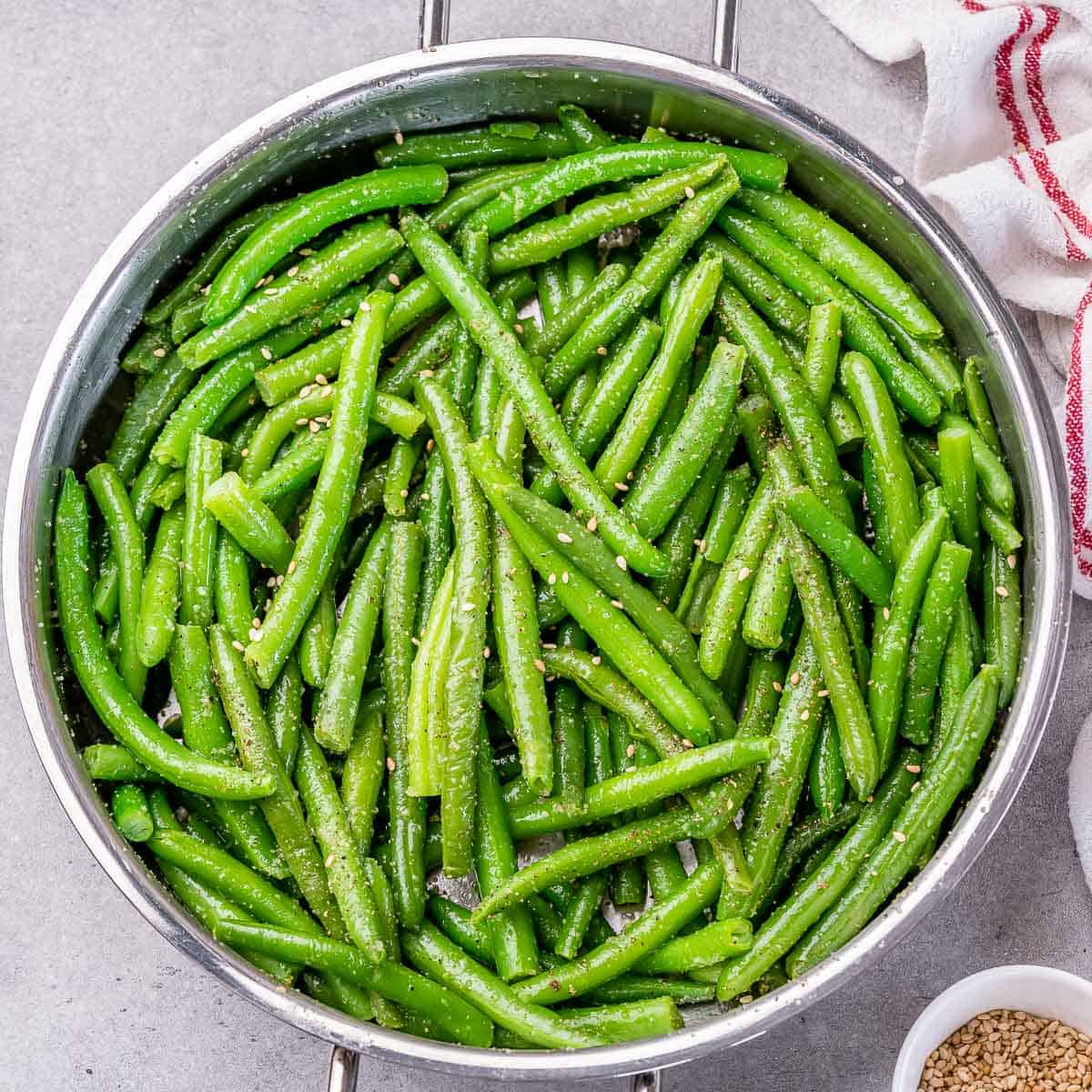
Quick & Healthy Sautéed Green Beans: Your New Versatile Side Dish Staple
Tired of bland, mushy green beans that nobody at the dinner table wants to touch? Forget everything you thought you knew about cooking this classic vegetable. We're here to unlock the secrets to perfectly sautéed green beans – crisp, vibrant, bursting with flavor, and so incredibly easy to make, they'll become your new weeknight hero. This isn't just a recipe; it's a game-changer for anyone seeking a quick, healthy, and unbelievably versatile side dish that complements virtually any meal.
Many home cooks have fallen victim to overcooked green beans, a soggy testament to good intentions gone awry. The beauty of a well-executed green bean saute lies in its simplicity and speed. In just minutes on the stovetop, you can transform fresh or even frozen green beans into a culinary delight, complete with beautiful "blistered" spots and a tender-crisp texture that makes them irresistible. Ready to ditch the dreary and embrace the delicious? Let's dive in!
Why Sautéed Green Beans Are Your New Go-To Side Dish
When it comes to building a balanced and delicious meal, side dishes often play a crucial supporting role. And few vegetables offer the sheer versatility and health benefits of green beans, especially when prepared with a simple, yet effective, sautéing method.
Unmatched Versatility for Any Cuisine
One of the most compelling reasons to master the
master sautéed green beans technique is their incredible adaptability. Whether your main course is a rustic American pot roast, a vibrant Asian stir-fry, a hearty Italian pasta dish, or a delicate grilled fish, sautéed green beans seamlessly fit in. They don't overpower other flavors; instead, their subtle earthiness and bright texture act as a perfect counterpoint, enhancing the overall dining experience. Imagine them alongside a juicy grilled steak, tender roast chicken, or even a comforting meatloaf – they elevate every plate. This makes them an invaluable staple for busy households experimenting with diverse culinary traditions.
A Nutritional Powerhouse in Minutes
Beyond their delicious taste and accommodating nature, green beans are a nutritional champion. They are naturally low in fat, high in dietary fiber, and packed with essential vitamins and minerals like Vitamin K, Vitamin C, Vitamin A, and folate. This makes them an excellent choice for anyone looking to incorporate more wholesome, nutrient-dense foods into their diet without sacrificing taste or convenience. And here’s a bonus: green beans tend to be a surprisingly kid-friendly vegetable. Even picky eaters often respond well to their bright color and tender-crisp texture, especially when simply seasoned with garlic and butter. You can serve "grown-up quality" green beans that the whole family will genuinely enjoy.
Speed, Simplicity, and Easy Cleanup
In today's fast-paced world, convenience is king. This green bean saute recipe shines in its simplicity and efficiency. Made entirely in one pan on the stovetop, it minimizes both active cooking time and, perhaps more importantly, cleanup time. There's no need for blanching or boiling separate pots of water, which saves precious minutes and effort. From prep to plate, you're looking at a dish that comes together in under 15 minutes, making it an ideal choice for busy weeknights when you need a healthy, flavorful side without a fuss.
Mastering the Perfect Green Bean Sauté: From Skillet to Plate
Achieving that ideal balance of crispness, tenderness, and rich flavor in your green bean saute is simpler than you might think. Forget the past struggles with limp or stringy beans; these techniques guarantee a vibrant, delicious result every time.
The Essential Prep: Wash, Dry, Trim
Start with fresh green beans. Begin by giving them a thorough wash under cold water. The next step is crucial for excellent sautéing: **dry them completely**. Excess moisture will steam the beans instead of allowing them to blister and brown, which is where much of their flavor develops. You can use a salad spinner or simply pat them dry with a clean kitchen towel. Finally, trim the stem ends. While some prefer to snap off both ends, trimming just the tough stem end is usually sufficient.
Heating the Pan and Oil: The Foundation of Flavor
Select a large skillet – preferably cast iron or a heavy-bottomed pan – to ensure even heat distribution. Add a tablespoon or two of good quality olive oil to the pan. Place it over medium-high heat. You want the oil to be shimmering, indicating it's hot enough to sear, but not smoking, which means it's too hot and will burn. This optimal heat is key for achieving those desirable brown spots.
The Sauté and "Blistering" Phase
Once your oil is hot, add the dried, trimmed green beans to the skillet in a single layer if possible. **Do not overcrowd the pan**; if you have a lot of beans, cook them in batches to allow for proper browning. Cook them uncovered for approximately 3-5 minutes, stirring occasionally. During this phase, you're looking for small brown spots, often referred to as "blistering" or "charring," to develop on the beans. These spots are concentrated pockets of flavor and texture that make all the difference. Keep an eye on the heat; if the beans start to burn rapidly, reduce the heat slightly. They should remain a bright green color, even with the char marks.
The Tenderizing Phase: Covered Perfection
After you've achieved those beautiful blistered spots and the beans are still a vibrant green, it's time to adjust the heat. Turn the heat down to low. Now, cover the sauté pan with a lid. This step allows the beans to steam gently in their own moisture, finishing their cooking until they reach your desired level of tenderness. Continue cooking for another 2-5 minutes. Check for doneness – they should be tender-crisp, not mushy, and still retain their appealing bright green hue. Depending on your preference, the entire cooking process for fresh green beans usually takes about 10 minutes for tender-crisp, or up to 15 minutes if you prefer them softer.
Finishing Touches: The Garlic Butter Infusion
Immediately remove the cooked green beans from the heat. This is where the magic happens! Add a generous pat of butter (about 1-2 tablespoons), 1-2 cloves of minced fresh garlic, a good pinch of salt, and a dash of freshly ground black pepper. Stir everything vigorously to coat the beans evenly in the melted, aromatic butter and garlic. The residual heat from the beans and pan will gently cook the garlic, releasing its fragrant oils without burning it. Serve your quick green bean saute hot and enjoy! For even more detailed instructions on achieving this flavorful finish, explore our guide on
Unlock Perfectly Tender Sautéed Green Beans with Garlic Butter.
Green Bean Saute with Frozen Green Beans: A Time-Saving Trick
Don't have fresh green beans on hand? Frozen green beans work wonderfully too, making this an accessible dish year-round. The process is similar, with a few key differences:
1. **No thawing needed:** Add the frozen green beans directly to your hot skillet with shimmering oil.
2. **Expect some liquid:** The beans may release some liquid as they cook; this is normal and will evaporate.
3. **Blistering first:** Cook them uncovered until a slight char (brown spots) begins to form, and the beans are heated through.
4. **Skip the lid:** Since frozen green beans are typically blanched before freezing, they cook faster and usually don't need the covered steaming step.
5. **Finish as usual:** Once they're tender and slightly charred, remove from heat and stir in butter, garlic, salt, and pepper. Serve immediately.
Elevating Your Green Bean Sauté: Creative Variations & Tips
While the classic garlic butter green bean saute is a triumph on its own, don't be afraid to experiment and customize this versatile side dish to suit your palate or complement your meal.
Flavor Boosters to Try:
- Fresh Herbs: Toss in some fresh thyme sprigs, rosemary, or finely chopped parsley during the last minute of cooking or with the butter.
- Citrus Brightness: A squeeze of fresh lemon juice or a sprinkle of lemon zest at the very end adds a vibrant, tangy lift.
- Nutty Crunch: Toasted slivered almonds, pecans, or walnuts provide a delightful textural contrast. Add them during the last minute of sautéing or as a garnish.
- A Hint of Heat: Red pepper flakes can be added with the garlic for a subtle kick.
- Umami Depth: A splash of soy sauce, a drizzle of balsamic glaze, or a sprinkle of Parmesan cheese can introduce interesting layers of flavor.
- Crispy Shallots or Onions: Sauté finely sliced shallots or onions before adding the green beans for an aromatic base.
Smart Kitchen Hacks for Success:
- Don't Overcrowd the Pan: This is paramount for good searing. If your pan is too full, the beans will steam rather than brown. Cook in batches if necessary.
- Use a Wide Skillet: A larger surface area allows for more even cooking and better blistering.
- Fresh Garlic is Best: While garlic powder can work in a pinch, fresh minced garlic delivers superior flavor and aroma.
- High-Quality Ingredients: A good olive oil and real butter truly make a difference in the final taste profile.
- Season Appropriately: Taste as you go! Adjust salt and pepper to your preference. Remember, the right amount of salt can truly bring out the natural sweetness of the green beans.
With these tips and variations, your green bean saute will never be boring. It's an opportunity to get creative and tailor this healthy side dish to any meal and any craving.
Conclusion
From a humble side dish to a vibrant, flavorful star, sautéed green beans prove that healthy eating can be incredibly delicious and straightforward. By following these simple steps, you can consistently achieve that perfect tender-crisp texture and savory flavor, complete with those coveted "blistered" spots. Whether you're whipping up a quick weeknight dinner or preparing a feast for guests, this quick green bean saute is a reliable, versatile, and nutritious option that will earn rave reviews. So, grab your skillet, a handful of fresh green beans, and get ready to transform your meals with this indispensable recipe. Say goodbye to dull vegetables and hello to a side dish that's anything but ordinary!