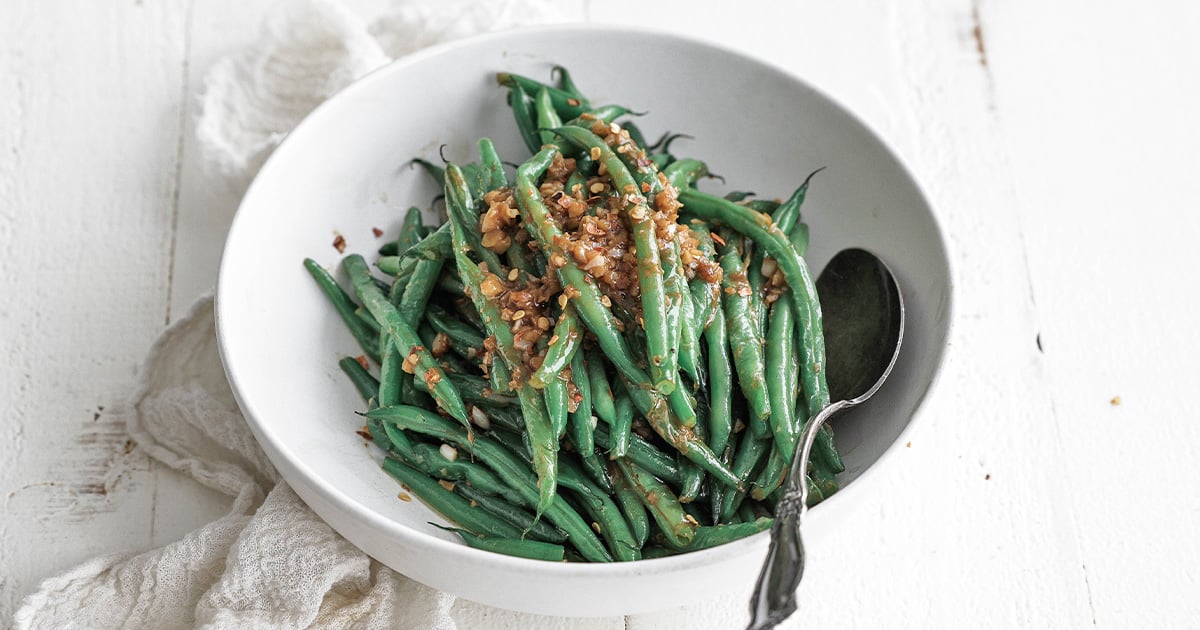
Master Sautéed Green Beans: Crisp, Flavorful, No Blanching Needed
Tired of green beans that are either rubbery, mushy, or just plain bland? It’s time to revolutionize your vegetable side game! Forget the extra step of blanching and dive into the incredibly simple, yet profoundly delicious, world of the perfect
green bean saute. This method promises vibrant, crisp-tender beans bursting with natural flavor, beautifully kissed with a slight char, all created in just minutes on your stovetop. Get ready to banish those overcooked, limp beans of the past and discover a side dish so good, it might just steal the show.
This article will guide you through mastering the technique for sautéed green beans that are bright, perfectly textured, and incredibly versatile. Whether you're a seasoned home cook or a beginner, these tips and tricks will ensure your green beans are a consistent hit, pairing perfectly with virtually any meal.
The Art of the Perfect Sauté: Achieving Crisp-Tender Perfection
The secret to truly spectacular sautéed green beans lies in a straightforward, two-stage cooking process that requires no prior blanching. It’s all about heat management and timely additions.
Step-by-Step Guide to Your Best Green Bean Saute
1.
Preparation is Key: Wash, Dry, and Trim
Before you even think about heat, ensure your green beans are ready. Start by washing them thoroughly under cold water. The most critical step here is to
dry them completely. Excess moisture will steam the beans rather than allowing them to blister, hindering that delightful char we're aiming for. Use a clean kitchen towel or paper towels. Finally, trim off the woody stem ends. You can leave the tail ends on for a rustic look or trim them off if preferred.
2.
Heat Management: The Sizzle Factor
Choose a large skillet – preferably cast iron or a heavy-bottomed stainless steel pan – to ensure even heat distribution and prevent overcrowding. Overcrowding cools the pan and steams the beans instead of searing them.
Add 1-2 tablespoons of olive oil to the skillet and heat it over medium-high heat. You want the oil to be shimmering, indicating it's hot enough, but not smoking, which means it’s too hot and will burn.
3.
The Blistering Phase: Uncovered Sauté for Flavor
Once your oil is hot, add the dried, trimmed green beans to the skillet. Arrange them in a single layer as much as possible to maximize contact with the hot pan.
Cook the beans
uncovered for 3-5 minutes, stirring occasionally. This is where the magic happens! You'll begin to see beautiful brown spots, often referred to as "blistering" or "charring," develop on the beans. This char isn't burning; it's caramelization, which adds incredible depth of flavor and a slightly smoky note. If you notice the beans browning too quickly or starting to burn, simply reduce the heat slightly. During this stage, the beans will still be relatively firm and maintain a bright green color.
4.
The Steaming Phase: Covered & Tender
Once you have achieved those lovely blister spots, and the beans are still bright green, reduce the heat to low.
Cover the sauté pan with a lid and continue cooking for another
2-5 minutes. This gentle steaming phase finishes cooking the beans through, making them tender to your liking while preserving their vibrant color. Check for doneness – they should be crisp-tender, meaning they still have a slight bite but are no longer tough. The total cooking time for perfectly tender beans usually ranges from 10 to 15 minutes, depending on their thickness and your preference.
5.
The Flavor Finish: Butter, Garlic & Seasoning
Immediately remove the cooked green beans from the heat. This is crucial to prevent overcooking.
Add 1-2 tablespoons of unsalted butter, 2-3 cloves of minced fresh garlic, a generous pinch of salt (to taste), and a fresh grind of black pepper. Stir everything together until the butter has melted and the beans are beautifully coated in the garlicky goodness. The residual heat from the beans and pan will gently cook the garlic, releasing its aromatic compounds without burning it, ensuring a fresh, potent flavor.
A Note on Frozen Green Beans
If you’re using frozen green beans, the process is slightly different but still incredibly easy. Do not thaw them! Add the frozen beans directly to the hot skillet with oil. Cook, stirring frequently, until they develop a slight char and are heated through. Frozen beans may release some liquid, which is perfectly fine. Since most frozen green beans are already blanched, you can skip the covering-with-a-lid step. Once charred and heated, remove from heat and proceed with adding the butter, garlic, salt, and pepper.
Beyond the Basic: Customization & Serving Ideas
While the classic butter and garlic
green bean saute is undeniably delicious, this versatile side dish readily welcomes creative variations.
Flavorful Twists to Elevate Your Green Bean Saute
- Citrus Brightness: A squeeze of fresh lemon juice or a sprinkle of lemon zest at the end adds a refreshing zing that complements the beans beautifully. For more ideas on how this versatile side dish fits into a healthy lifestyle, check out our guide on Quick & Healthy Sautéed Green Beans: The Versatile Side Dish.
- Herbal Infusion: Stir in fresh herbs like chopped parsley, thyme, or rosemary during the final seasoning stage.
- Spicy Kick: A pinch of red pepper flakes added with the garlic provides a gentle warmth.
- Umami Boost: A dash of soy sauce, a spoonful of balsamic glaze, or a sprinkle of toasted sesame seeds can introduce an exciting savory dimension.
- Nutty Crunch: Toasted slivered almonds or pine nuts sprinkled over the finished dish add a delightful texture.
- Cheesy Goodness: A dusting of grated Parmesan cheese right before serving adds a salty, savory layer.
Perfect Pairings for Your Sauteed Green Beans
These green beans are truly a chameleon in the culinary world, effortlessly complementing almost any main course. They are a staple in many cuisines, from American to Asian and Italian.
Consider serving them alongside:
- Grilled or roasted meats like steak, chicken, pork chops, or lamb.
- Baked or pan-seared fish.
- Classic comfort foods like meatloaf or chicken rice casserole.
- Pasta dishes for a vibrant vegetable contrast.
- As a star side at barbecues and potlucks.
Health Benefits You'll Love
Beyond their incredible taste and ease of preparation, green beans are a nutritional powerhouse. They are low in fat, high in fiber, and packed with essential vitamins like A, C, and K, as well as folate. This makes them an excellent choice for a healthy, balanced diet. Plus, their mild, slightly sweet flavor makes them a surprisingly kid-friendly vegetable, even for the pickiest eaters!
Troubleshooting & Expert Tips for Your Green Bean Saute
Even with a simple recipe like a
green bean saute, a few common pitfalls can arise. Here's how to navigate them and ensure consistent success.
Common Issues and How to Solve Them
- Limp Beans: If your green beans turn out soft and lifeless, it's usually due to overcrowding the pan (which lowers the temperature and causes steaming instead of searing) or overcooking during the covered stage. Ensure you use a large enough skillet and cook in batches if necessary. Keep an eye on the clock during the covered phase.
- Burnt Spots (Not Blisters): True blistering is desirable, but burnt, black spots mean your heat was too high. Adjust to medium-high and be mindful of your stovetop's power. Stir frequently during the initial searing stage.
- Uneven Cooking: Again, overcrowding is a prime suspect. Ensure the beans have space in the pan. Consistent stirring also helps expose all sides to the heat.
- Burnt Garlic: Garlic burns quickly, turning bitter. The best practice is to add minced garlic *after* removing the beans from the direct heat. The residual heat is usually sufficient to cook it gently and release its fragrance without scorching. For more detailed insights into achieving that perfect tender texture and infusing it with aromatic garlic butter, explore our tips in Unlock Perfectly Tender Sautéed Green Beans with Garlic Butter.
Pro Tips for the Best Results
- Choose Wisely: Always opt for fresh, firm, vibrant green beans. They should snap easily when bent. Avoid any that look withered or have black spots.
- Don't Skimp on the Oil: Enough oil ensures good heat transfer and helps achieve that beautiful char.
- Listen to Your Pan: A good sizzle means the pan is hot enough. If you don't hear sizzling when adding the beans, your pan isn't ready.
- Taste and Adjust: Always taste your beans before serving and adjust salt and pepper as needed. A final sprinkle of flaky sea salt can make a big difference.
Conclusion
Mastering the perfect
green bean saute is a culinary triumph that's surprisingly within reach. By following these straightforward steps, embracing the initial high-heat sear, and finishing with a gentle steam, you can consistently achieve crisp-tender, intensely flavorful green beans without the need for blanching. This method is not only quick and easy but also transforms a humble vegetable into a vibrant, irresistible side dish that will undoubtedly become a regular in your kitchen rotation. So, grab your skillet, get those beans sizzling, and prepare to enjoy the best sautéed green beans you've ever tasted!